When a parent or loved one passes away and leaves a house behind, the questions come fast. Who's allowed to sell it? Do we need a court? Do we have to fix it up first? What about taxes?
If you've inherited a home in Long Beach, Lakewood, Cerritos, or anywhere in the Gateway Cities, you don't have to figure it all out in a week. This guide walks California families through the big decisions in plain language, so you can protect the equity your family built.
What "selling an inherited home" means in California
An inherited home is a property that passes to you (or to siblings or relatives) after the owner dies. In California, the first question isn't price. It's how the home is held, because that decides who has authority to sell and whether a court is involved.
Most inherited homes fall into one of two paths:
- Probate, when the home was in the person's own name (with or without a will).
- A funded living trust, when the home was already titled in the name of a trust before they passed.
The California Courts guide to property after someone dies is a helpful, neutral starting point for figuring out which path applies to your family.
Probate vs. living trust: who can sell the house?
If the home goes through probate, a judge appoints a personal representative (often called the executor or administrator). That person, not every heir individually, is the one who can sign to sell. Depending on the authority the court grants, the sale may need a court confirmation hearing, where other buyers can sometimes overbid, or it may move forward with formal notice to the heirs instead. Your probate attorney will tell you which applies.
If the home is in a funded living trust, the successor trustee named in the trust usually has the authority to sell without going to court, following the trust's instructions. There's still paperwork with the estate attorney and title company, but it's usually simpler and faster.
| Probate | Funded living trust | |
|---|---|---|
| Who signs | Court-appointed personal representative | Successor trustee |
| Court involvement | Yes, sometimes including sale confirmation | Usually none for the sale |
| Typical pace | Slower, follows court steps | Often faster |
| Privacy | Court filings are public | More private |
Coming soon: our full guide to Living Trust vs. Probate When You Sell the House.
How long does it take to sell an inherited home?
Every estate is different, so be wary of anyone who promises an exact date. In general:
- Trust sales can often be prepared and listed within weeks, once the successor trustee's paperwork is in order.
- Probate sales commonly take many months from opening the case to closing, and sometimes more than a year, depending on the court calendar, creditor timelines, and whether the sale needs confirmation.
The good news: you can usually start the practical work, like securing the home, gathering documents, and getting a sense of its value, while the legal side moves forward.
As-is, vacant, and out-of-area heirs: the real-world side
Many inherited homes here are solid single-family houses that haven't been updated in decades. That's normal. A few realities:
- You usually don't have to remodel. Many families sell as-is, or do only light prep like a clean-out, yard work, and basic repairs. Our guide to selling a 1950s Lakewood home covers what buyers notice first.
- Vacant homes need attention. Let the homeowner's insurance carrier know the home is vacant, keep utilities on for showings, and check on the property regularly.
- Out-of-area heirs can still sell smoothly with a local agent handling access, vendors, and showings.
- "As-is" doesn't mean "no disclosures." Disclosure rules for estate and trust sales can differ, but sellers still need to share what they know. Ask your attorney and agent which forms apply.
Taxes: three ideas to bring to your CPA
We're not tax advisors, but these three concepts come up in almost every inherited-home conversation:
1. Step-up in basis. According to the IRS, the tax basis of inherited property is generally its fair market value on the date of death. That often means that if heirs sell reasonably soon, the taxable gain may be small. A date-of-death valuation from an appraiser or agent can help your CPA. California generally follows this federal concept, but confirm with your CPA.
2. The primary residence exclusion may not apply. The well-known home-sale exclusion in IRS Publication 523 depends on owning and living in the home as your main home for at least two of the five years before the sale. Heirs who didn't live there generally won't meet that test, and surviving spouses have their own rules. Your CPA can tell you where you stand.
3. Prop 19 is about property tax, not capital gains. California's Proposition 19 limits when a child can keep a parent's lower property tax base, generally only if the child makes it their primary residence and meets filing rules. That affects your property tax bill if you keep the home. It doesn't change your income tax basis when you sell. Families mix these up all the time.
Coming soon: Step-Up in Basis Explained for Heirs.
Cash buyer vs. listing with an agent: honest tradeoffs
| Cash / as-is buyer | Listing on the open market | |
|---|---|---|
| Speed | Often faster, fewer contingencies | Follows a normal marketing timeline |
| Repairs and clean-out | Usually none required | Light prep often pays off |
| Price | Typically below open-market value | Exposure to more buyers, often a stronger net |
| Best for | Heavy repairs, tight timelines, family wanting simplicity | Families focused on protecting equity |
Neither choice is wrong. It depends on the home's condition, your timeline, and how many family members need to agree. Many families ask to see both side by side. If you're weighing price, our post on why overpricing hurts sellers is worth a read too.
Your checklist for this week
- Find the documents: will, trust, the most recent deed, and the death certificate.
- Identify the decision-maker: successor trustee or personal representative.
- Talk to an estate attorney about whether probate is needed and what authority exists to sell.
- Secure the home: locks, insurance (tell the carrier it's vacant), utilities, mail.
- Don't throw out paperwork like permits, repair receipts, or warranties. Buyers and your CPA may need them.
- Get a date-of-death value estimate for your CPA.
- Compare options (cash vs. listing) before anyone signs anything.
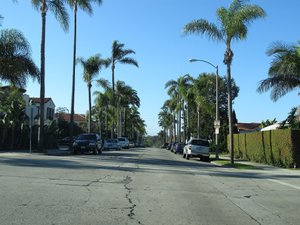
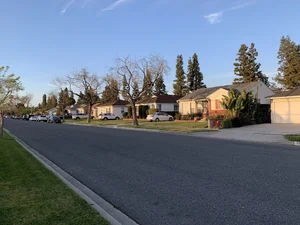
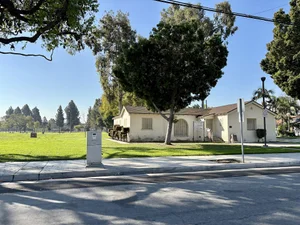
Want a feel for the area first? See our Long Beach, Lakewood, and Cerritos community pages.
Talk it through with a local team
If your family has inherited a home in Long Beach, Lakewood, Cerritos, or the Gateway Cities, we're happy to walk through it with you: what the home is likely worth today, what (if anything) to fix, and how a cash offer compares with listing. We'll coordinate with your attorney and CPA, and we'll never rush your family's decision.
Jerry Macias, Vida Real Estate
10900 183rd Street, Suite 130, Cerritos, CA 90703
(800) 390-5523 · hello@meetvida.com · meetvida.com / vidahomesearch.com
This article is for general educational purposes only and is not legal, tax, or financial advice. Probate, trust, and tax rules depend on your specific situation and can change. Please consult a California estate attorney and a CPA or tax professional before making decisions.
Photo: Ken Lund / Wikimedia Commons (CC BY-SA 2.0)