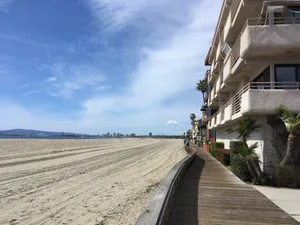
If you own a home near the water in Long Beach, this week probably has you watching the tide charts. Very high tides are pushing seawater into low-lying spots along the Southern California coast, and the Long Beach Peninsula has been in the spotlight again. If you are thinking about selling—this season or next spring—it is a good moment to protect your property, keep good records, and plan your timing with a clear head.
At Vida Real Estate, we work with Long Beach homeowners every week. Here is a calm, practical guide to what is happening and what sellers can do right now.
What is happening on Long Beach’s coast this week
According to the National Weather Service, a Coastal Flood Advisory remains in effect for Los Angeles County beaches until 1 p.m. Thursday, October 29. Forecasters expect high tides of roughly 7.5 to 8 feet during late mornings, with the highest tides Monday through Wednesday. That can mean minor to moderate flooding in low-lying areas such as beach parking lots, bike paths, and harbor walkways, along with beach erosion and the possibility of isolated damage to the most vulnerable structures.
As reported this week, the City of Long Beach has been reinforcing sand berms along the Peninsula, and crews have been moving sand and staging sandbags. Several Peninsula homes were red-tagged in recent weeks after flooding and high surf, and the Alamitos Bay Entrance Channel dredge project is moving sand back onto the shoreline—work that local coverage says may continue into February. Officials have encouraged residents to take simple precautions, like moving cars to higher ground.
The takeaway: this is a real, time-limited tide event, and preparation matters most for homes closest to the sand and the bay.
Why it matters if you plan to sell
Buyers—and their inspectors, lenders, and insurers—pay close attention to water. A home that has been well protected and well documented is easier to market than one with unanswered questions. A few things to keep in mind:
Condition: Water intrusion, even minor, can show up later as stains, warped flooring, or moisture readings during inspection. Catching it early keeps small issues small.
Disclosure: California sellers generally have disclosure obligations about known conditions, including past water intrusion or repairs. We are not attorneys—if you have questions about what to disclose, talk with a real estate attorney, and we will help coordinate the paperwork with your transaction team.
Presentation and timing: Sandbags, barricades, and repair crews are not the backdrop you want for listing photos or open houses. A little planning can help you list when your home and street look their best.
Immediate steps to protect your home this week
These are practical, low-cost moves many coastal homeowners take during high-tide events:
Use sandbags where water has entered before. Garage doors, low thresholds, and side-yard gates are common entry points. Follow city guidance on where sandbags are available.
Move cars and valuables up. Park on higher ground during the late-morning high tides, and lift items stored on garage floors—boxes, tools, paperwork, and electronics.
Clear drains and gutters. Make sure yard drains, scuppers, and nearby storm drains are free of sand and debris so water can move away from the house.
Document everything. Take date-stamped photos and video of your home’s exterior, garage, and lower level before, during (only if safe), and after the high tides. Keep receipts for supplies and any emergency work.
Respect barricades and closures. Stay off flooded walkways and bike paths, and follow directions from city crews and lifeguards. Your safety comes first.
Insurance and documentation
Coverage for water and flood events varies widely, and standard homeowners policies often treat flood differently from other kinds of water damage. Rather than guess, call your insurance agent or carrier now—before you need to file anything—and ask what your policy covers, whether you have separate flood coverage, and how they want damage documented.
If you do have damage, report it promptly and keep a simple folder (paper or digital) with photos, videos, receipts, contractor estimates, and claim numbers. That same folder becomes valuable later when you sell, because it helps you answer buyer questions clearly and confidently.
Repairs, contractors, and permits before you list
If water does get in, resist the urge to cover it up quickly. Drying out properly matters, and hidden moisture can create bigger problems down the road.
Work with licensed, insured contractors, and get written estimates.
Ask whether the repair needs a permit, and check with the City of Long Beach when in doubt. Permitted, documented work is easier to explain to buyers.
Keep invoices and warranties for anything replaced—flooring, drywall, water heaters, or garage doors.
If your home has been red-tagged or has structural concerns, follow the city’s direction and the advice of qualified professionals before making listing plans.
How Vida helps Long Beach sellers
Selling a coastal home takes local judgment as much as marketing. We help Long Beach sellers decide when to list, what to fix first, and how to present a home honestly and attractively—so buyers see the value in your location instead of focusing on what-ifs. That includes coordinating pre-listing inspections, organizing your repair records, and timing photography for clear skies and calm streets.
Whether you are on the Peninsula, in Belmont Shore, or farther inland, we will give you a realistic plan based on your home and your goals. You can explore the area on our Long Beach community page.
Thinking about selling in Long Beach?
If this week’s tides have you rethinking your timeline, let’s talk. We can walk your property, flag anything worth addressing before you list, and map out a calm, step-by-step path to market—no pressure, just clear guidance.
Vida Real Estate
10900 183rd Street, Suite 130, Cerritos, CA 90703
(800) 390-5523 · hello@meetvida.com · meetvida.com / vidahomesearch.com