When a family home needs to be sold after a loved one passes, one question shapes almost everything that follows: was the house in a living trust, or does it have to go through probate? The answer decides who can sign, how long it takes, and how much of the process happens in a courtroom versus around the kitchen table.
If your family is facing this in Long Beach, Lakewood, Cerritos, or anywhere in the Gateway Cities, this guide compares the two paths in plain language, so you can protect the equity your parents built and keep the family on the same page. If you're just getting started, read our pillar guide first: Selling an Inherited Home in California.
Probate vs. funded living trust at a glance
Who signs the sale
Probate: Court-appointed personal representative (executor or administrator)
Funded living trust: Successor trustee named in the trustCourt involvement
Probate: Yes: petition, hearings, and sometimes court confirmation of the sale
Funded living trust: Usually none for the sale itselfTypical timeline
Probate: Many months, often a year or more
Funded living trust: Often weeks to a few months to get listing-readyPrivacy
Probate: Court filings are public
Funded living trust: Generally privateBuyer overbids in court
Probate: Possible if the sale needs court confirmation
Funded living trust: NoPaperwork for title
Probate: Court letters and orders
Funded living trust: Trust documents, often a certification of trust
First, figure out how the house was titled
Pull the most recent recorded deed. If the owner is listed as something like "John and Mary Smith, Trustees of the Smith Family Trust," the home was likely funded into the trust. If it shows only the person's own name, the home may need probate, even if a trust exists on paper.
That gap trips up a lot of families. A trust only controls what was actually put into it. A home left in an individual's name can end up in probate anyway, although an estate attorney may have other options depending on the documents. The California Courts' page on transferring property without probate explains that property in a living trust can usually pass without going to probate court.
Who can sign to sell the house?
In probate, a judge appoints a personal representative. That person, not every heir individually, signs the listing agreement and the sale documents. Depending on the authority the court grants, the sale may move forward with written notice to the heirs, or it may need a court confirmation hearing, where other buyers can show up and overbid. Your probate attorney will tell you which applies.
In a funded living trust, the successor trustee usually has authority to sell without court approval, following the trust's terms. If there are co-trustees, the trust may require all of them to sign. The title company will typically ask for trust paperwork and a death certificate before closing.
Either way, siblings who aren't the signer still matter. Keeping everyone informed early prevents most of the conflict we see.
Timeline: why trust sales usually move faster
The California Courts' formal probate overview walks through the steps: filing a petition, notice to family and publication in a newspaper, a hearing to appoint the personal representative, an inventory and appraisal, formal notice to creditors, and reports to the court. Each step has waiting periods, and court calendars vary by county.
With a funded trust, there's no court petition to wait on. The successor trustee still has duties, like notifying beneficiaries and managing the property carefully, but the practical work of preparing and listing the home can often start much sooner.
The good news in both cases: you can usually secure the home, gather documents, and get an idea of its value while the legal side moves forward.
What "as-is" still means on either path
Many estate and trust homes here are well-kept single-family houses that haven't been updated in decades. Selling as-is is common and perfectly fine. But as-is has limits:
It doesn't mean no disclosures. Some estate and trust sales are exempt from certain disclosure forms, but sellers still need to share what they know about the property. Ask your attorney and agent which forms apply.
Buyers still inspect. Expect inspections and possibly requests, even if you decline repairs.
Light prep often pays off. A clean-out, yard work, and basic fixes can help a Gateway Cities home show the way buyers expect.
Vacant homes need care. Tell the insurance carrier the home is vacant, keep utilities on for showings, and check on it regularly.
When to call estate counsel
Talk to a California estate attorney before anyone signs a listing agreement if:
You aren't sure whether the home was actually funded into the trust
There's no will or trust, or more than one version exists
Family members disagree about selling, the price, or who should be in charge
Someone is living in the home and doesn't want to leave
There are reverse mortgages, liens, or significant debts
An heir lives out of state or out of the country and wants to stay involved
A good attorney and a local agent working together can save months and a lot of stress.
Your next steps
Find the deed, will, trust, and death certificate.
Confirm whether the home is in the trust or needs probate.
Identify the signer: successor trustee or personal representative.
Meet with an estate attorney about authority to sell.
Get a current value estimate, which also helps your CPA. Start with a free home valuation.
Want a feel for the local market? See our Long Beach, Lakewood, and Cerritos community pages.
Coming soon: Step-Up in Basis Explained for Heirs.
Coming soon: Primary Residence Capital Gains Exclusion, explained for California sellers.
Talk it through with a local team
Whether your family's home is in a trust or headed to probate, we're happy to help: what the home is likely worth today, what (if anything) to fix, and how to time the sale around the legal steps. We work alongside your attorney and CPA and never rush your family's decision. Contact us or call anytime.
Jerry Macias, Vida Real Estate
10900 183rd Street, Suite 130, Cerritos, CA 90703
(800) 390-5523 · hello@meetvida.com · meetvida.com / vidahomesearch.com
This article is for general educational purposes only and is not legal, tax, or financial advice. Probate and trust rules depend on your specific situation and can change. Please consult a California estate attorney and a CPA or tax professional before making decisions.
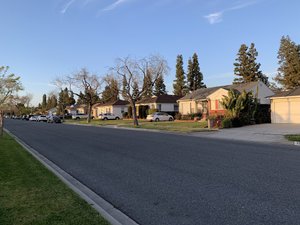
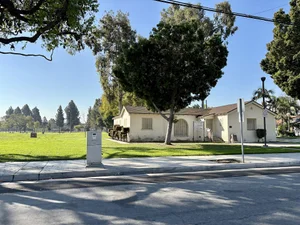
Photo: Puddles eyes / Wikimedia Commons (CC BY-SA 4.0)