If you own a home in Long Beach or Lakewood with a back house, a converted garage, or just a big backyard, ADU rules are worth a look before you list. Both cities took action on November 10, 2026, and state law has changed a lot over the last few years.
You don't need to be a zoning expert. You just need to know which situation you're in, because it shapes how you price, disclose, and market the home. If you're new to the terms, our quick guide on what an accessory dwelling unit is covers the basics.
What Changed in Lakewood
On November 10, 2026, the Lakewood City Council adopted Ordinance No. 2026-5. It reorganizes the city's rules for ADUs, junior ADUs (JADUs), and second primary units under SB 9 into a new section of the Lakewood Municipal Code, Section 9375. Under its own terms, the ordinance takes effect 30 days after adoption, in December 2026.
A few standards stand out for homeowners:
Size. A new ADU can have up to 1,000 square feet of interior livable space, with some exceptions when converting an existing accessory structure. A JADU tops out at 500 square feet.
Height. A new fully detached ADU is limited to 16 feet, or 18 feet plus 2 feet to match the roof pitch when the lot is within a half mile of qualifying transit. An attached ADU is limited to 25 feet or the height of the home it attaches to, whichever is less.
Setbacks. Side and rear setbacks for additional units are a minimum of 4 feet.
Rentals. The minimum rental term for any unit is 31 days. Short-term rentals are not allowed in Lakewood.
Every lot is different, so confirm parcel-specific rules with the City of Lakewood Community Development Department before you plan, price, or promise anything about an ADU.
What Changed in Long Beach
According to the city's Community Development Department, Long Beach is applying state ADU law directly while a new local ADU ordinance is still in development. Homes in the Coastal Zone or a historic district have extra review steps. The city also runs a Pre-Approved ADU Program for new construction, not conversions, and those plans may be approved over the counter at the Permit Center.
Also on November 10, 2026, the City Council approved an updated development impact fee study and fee schedules for parks, police, fire, and transportation. City staff said the first increases take effect January 10, 2027. Under state law, an ADU with 750 square feet or less of interior livable space is exempt from impact fees, and larger ADUs are charged in proportion to the size of the main home.
The city's Backyard Builders program offers loans to help owner-occupants build a small ADU. Round 2 is for income-qualified owners in state-designated areas, with loans up to $250,000 at 2% interest and payments deferred, for a single-story ADU under 500 square feet. Round 2 applications close November 30, 2026. If you're reading this later, check the City of Long Beach's ADU loan program page for future rounds. One detail matters for sellers: the loan comes due when the property is sold, transferred, or leased.
Which Situation Are You In?
When Jerry Macias sits down with a seller who has a back unit, the first question is usually the simplest one: is there a permit for it? The answer points you down one of three paths.
You have a permitted ADU. Gather the permits, the final inspection sign-off, and the plans. Buyers and their lenders will ask. If it's rented, have the lease and rent records ready, and plan showings around the tenant. Unless a city has adopted rules allowing it, an ADU generally sells together with the main house, not on its own.
You have an unpermitted garage conversion or back unit. California's standard seller disclosure form asks about additions or alterations made without permits, so don't leave it out. State law now gives owners a clearer path. Under AB 2533 (2024), which took effect January 1, 2025, a city generally can't deny a permit for an unpermitted ADU or JADU built before January 1, 2020, because of building code violations, unless the fix is needed to correct conditions that would make the building substandard. The California Department of Housing and Community Development notes that owners can get a confidential third-party code inspection from a licensed contractor before applying. Lakewood's new ordinance includes the same protection.
Legalizing before you list takes time and money, and it isn't always the right call. Selling as-is with full disclosure is also an option. Some buyers, lenders, and appraisers may treat unpermitted space differently from permitted living space, so plan for that in your pricing and timeline. Our guide to selling a 1950s Lakewood home covers which fixes are usually worth tackling first.
You have ADU potential but no ADU. A larger lot, alley access, or a detached garage can catch the eye of buyers who want room for family or future rental income. Mention it, but carefully. Say the lot "may allow" an ADU, and point buyers to the city to confirm. Don't quote rents, values, or build costs unless they come from a verified source.
Build First or Sell With Potential?
Building an ADU before you sell is a real project. Design, permits, and construction take time, and fees and rules can change. If you plan to move soon, it's usually simpler to sell with clear, accurate information about what the lot may allow. If your timeline is longer, building may be worth a closer look. Our six-month Long Beach prep timeline can help you map out what's realistic.
A Quick Pre-Listing Checklist
Pull the permit history for every structure on the lot
Confirm the zoning, plus any Coastal Zone or historic district status
Gather leases and rent records if a unit is occupied
Decide whether to legalize, disclose and sell as-is, or market the potential
Check with the city before making any claim about what a buyer can build
Talk It Through With a Local Team
Thinking about selling a Long Beach or Lakewood home with an ADU, a garage conversion, or room to build? We'll help you sort out the paperwork, the disclosures, and the pricing so you can list with confidence.
Call Jerry Macias: (562) 608-3679
Email: jerry@meetvida.com
Online: Contact Vida Real Estate
Vida Real Estate
10900 183rd St, Suite 130
Cerritos, CA 90703
meetvida.com
vidahomesearch.com
Long Beach community page
Lakewood community page
Helping Long Beach and Lakewood homeowners sell with clear answers, one property at a time.
About the Author
Jerry Macias is President of Vida Real Estate. He works with buyers and sellers throughout Long Beach, Lakewood, Cerritos, and surrounding Los Angeles and Orange County communities. California DRE #01967886.
This article is general educational information, not legal, zoning, tax, or lending advice. ADU rules, fees, and programs change, and every property is different. Confirm parcel-specific rules with the City of Long Beach or the City of Lakewood, and talk with a qualified attorney, tax professional, contractor, or lender before you act. Sources: City of Lakewood Ordinance No. 2026-5; City of Long Beach Community Development Department; California Department of Housing and Community Development, ADU Handbook (March 2026).
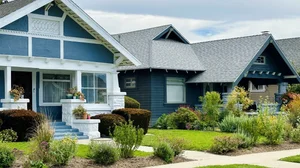
Photo: Craftsman bungalows in the Jefferson Park neighborhood of Los Angeles, photographed March 10, 2024, by Christopheraweed via Wikimedia Commons, licensed under CC BY-SA 4.0. Image cropped, resized, and house numbers removed from the original.