Buying your first home in Lakewood usually comes down to three questions. What can you comfortably afford each month? Which schools serve the address you’re looking at? And should you start with a condo or townhome, or stretch for a house with a yard?
Each answer shapes the others. A clear monthly budget tells you which homes are realistic. The address decides the school district. And the type of home changes both your payment and your day-to-day life.
Here’s a practical, step-by-step way to think it through. If you want the bigger picture on parks, libraries, and how the city was planned, start with our guide on why people move to Lakewood. This post stays focused on the decisions a first-time buyer has to make.
Step One: Build a Budget Around the Monthly Payment
Most first-time buyers start with a price. It usually works better to start with a monthly number you can live with, then work backward.
Your true monthly cost in California usually includes:
Principal and interest on the loan
Property taxes. Under Proposition 13, the base rate is about 1% of your assessed value, and local voter-approved charges are added on top. Look at the actual tax bill for the home, not just a rule of thumb.
Homeowners insurance, which can vary a lot by home age, roof, and carrier
HOA dues if you buy a condo, townhome, or a home in an association
Mortgage insurance if your down payment is on the smaller side
Plan for costs beyond the monthly payment too. Closing costs, inspection fees, moving, and a cushion for repairs all add up. In California, new owners also tend to get a supplemental property tax bill after the sale, because the home is reassessed at the purchase price. It catches a lot of first-time buyers by surprise.
As Jerry Macias often tells first-time buyers, the right budget is the one that still lets you sleep at night after the inspection report comes in.
Step Two: Talk to a Lender Early
Before you tour seriously, talk with a licensed lender. A full pre-approval, not just a quick pre-qualification, shows you what you can borrow and tells sellers you’re ready. A lender can also walk you through loan types, down payment options, and whether first-time buyer programs, such as those offered through the California Housing Finance Agency (CalHFA), might fit your situation.
We’re not lenders, and this isn’t lending advice. The goal is simple: know your numbers before you fall in love with a house.
Step Three: Check Schools by the Exact Address
This is one of the most important things to understand about Lakewood. The city does not run its own schools. According to the City of Lakewood, schools are administered by the school districts, and depending on where you live, you’re served by one of four: ABC Unified, Bellflower Unified, Long Beach Unified, or Paramount Unified.
That means two homes a few blocks apart can be assigned to different districts and different schools. A listing that says “Lakewood” doesn’t tell you which one.
A few practical steps:
Use the city’s In My Neighborhood tool to look up the school district for a specific Lakewood address.
Confirm the assigned schools directly with the district, since boundaries and enrollment rules can change.
If schools matter to you, tell your agent early so the search starts with the right streets.
We don’t rank schools or steer anyone toward a district. We help you get accurate information for each address so you can decide what fits your household. If you’re also weighing Cerritos, which is served by ABC Unified, our first-time buyer guide to Cerritos walks through that city the same way.
Step Four: Condo or Townhome vs. a Single-Family House
Much of Lakewood was built as single-family homes in the early 1950s, so houses make up a big part of what you’ll see. Condos and townhomes are part of the mix too, and for some first-time buyers they’re the right first step.
Condos and townhomes
Often a lower purchase price, which can mean a smaller down payment
HOA dues cover shared costs like exterior upkeep, common areas, and the master insurance policy, but they add to your monthly payment and can go up over time
Ask for the HOA budget, reserve study, meeting minutes, and rules on rentals, pets, and parking
Some loan types require the complex to meet certain approval rules, so check with your lender before you write an offer
Single-family houses
More space, a private yard, and more control over changes and improvements
No HOA in most cases, but every repair is yours, from the roof to the sewer line
Many Lakewood houses are about 70 years old. Inspections often look closely at electrical panels, plumbing, roofs, and foundations. Our guide to what buyers look for in a 1950s Lakewood home is written for sellers, but it’s a useful checklist for buyers too.
Thinking about resale
Whichever you choose, think about who might buy it from you later. Layout, parking, location on the block, and for condos the health of the HOA all affect how easy a home is to sell down the road. A slightly smaller home in great shape can be a smarter first purchase than a bigger one that needs more than you can handle.
Putting It Together
Start with a monthly budget. Get pre-approved. Check schools by address. Then decide whether a condo, townhome, or house fits your life right now, not just your wish list. When you take it in that order, the search gets a lot calmer.
Talk It Through With a Local Team
Thinking about buying your first home in Lakewood? We’ll help you look at real monthly costs, check which schools serve each address, and compare condos, townhomes, and houses side by side, so you can move forward with confidence.
Call Jerry Macias: (562) 608-3679
Email: jerry@meetvida.com
Online: Contact Vida Real Estate
Vida Real Estate
10900 183rd St, Suite 130
Cerritos, CA 90703
Helping first-time buyers in Lakewood make clear, confident decisions, one address at a time.
About the Author
Jerry Macias is President of Vida Real Estate. He works with buyers and sellers throughout Long Beach, Lakewood, Cerritos, and surrounding Los Angeles and Orange County communities. California DRE #01967886.
This article is general information, not lending, legal, tax, or school-enrollment advice. Talk with a licensed lender about loan options and with the school district about enrollment. School district information comes from the City of Lakewood. Property tax, insurance, and HOA costs vary by home, and programs and rules can change.
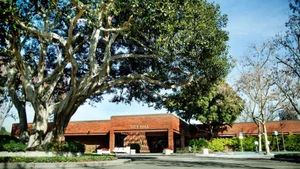
Photo: A residential street in Lakewood, California, photographed December 22, 2016, by Terry Lucas via Wikimedia Commons, licensed under CC BY 3.0. Image cropped and resized from the original.