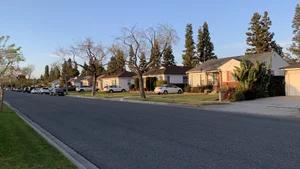
Picture a homeowner in Long Beach, Lakewood, or Cerritos who bought years ago for around $300,000. They open a home-value estimate and see how far the number has climbed. Then a friend, a coworker, or someone online says, "Just do a 1031 exchange and you won't pay tax on it."
It sounds like the perfect plan. For most homeowners, though, it is the wrong rule for the wrong property.
At Vida Real Estate, we hear this often. The tax question tends to come up late, sometimes after a home is already in escrow, and nobody wants to be surprised by a large tax bill in April. That is why we talk about taxes before you list, not after you close.
A quick note before we go further: this article is for information only. It is not tax advice, and we are not CPAs. The rules below are summarized from IRS Publication 523, Topic 701, and Section 1031, but how they apply to you depends on your situation. Please confirm anything here with a qualified CPA or tax attorney before you make a decision.
What a 1031 Exchange Actually Is
A 1031 exchange (named for Section 1031 of the Internal Revenue Code) lets an owner sell one piece of real estate and buy another "like-kind" property while deferring, not erasing, the tax on the gain.
The key phrase in the law is held for productive use in a trade or business or for investment. Think rental homes, apartment buildings, commercial property, or land held as an investment. Both the property you sell and the property you buy must be held that way.
1031 exchanges also come with strict timing. The replacement property generally has to be identified within 45 days of the sale and received within 180 days or by your tax return due date (including extensions), whichever comes first. The sale proceeds usually go through a qualified intermediary rather than to you.
Why Your Primary Residence Usually Doesn't Qualify
Here is the part that catches people off guard: the home you live in is generally not eligible for a 1031 exchange.
The reason is simple. Section 1031 applies to property held for productive use in a trade or business or for investment. The home you live in is personal-use property, so it falls outside that definition.
The IRS says it plainly in Publication 523, Selling Your Home: "A main home isn't available for exchange because the exchange must be between like-kind real property held for productive use in a trade or business or for investment." The IRS Instructions for Form 8824 make the same point: "Section 1031 doesn't apply to your exchange of real property if the property you gave up was used solely as your personal residence at the time of the exchange."
Hoping your home goes up in value doesn't change that. Expecting to sell at a gain someday does not turn the house you live in into an investment property.
So if you have lived in your Lakewood ranch home or your Long Beach bungalow for years, a 1031 exchange is probably not the tool for you. The good news is that a different rule often is.
The Rule That Often Does Apply: Living There 2 of the Last 5 Years
Section 121 of the tax code offers the primary residence exclusion. If you qualify, you may be able to exclude up to:
- $250,000 of gain if you file single
- $500,000 of gain if you are married filing jointly
To qualify, you generally need to pass two tests during the five years before the sale:
- Ownership test: you owned the home for at least two years.
- Use test: you lived in it as your main home for at least two years.
The two years don't have to be continuous. There are partial exclusions for situations like a work-related move, a health-related move, or certain unforeseeable events. Two limits to know: you generally can't use the exclusion if you already used it on another home in the two years before this sale, and if you acquired the home through a 1031 exchange, you generally have to own it for five years before the exclusion is available.
Any gain above the exclusion is generally taxable, and California taxes that gain too.
For more on how gain is figured, including your cost basis and improvements, see our guide to capital gains tax when selling a home in California.
What about turning the home into a rental first?
Some owners ask about renting out their home for a while and then doing a 1031 exchange later. That is a different path, not a loophole. The property has to be held as a rental in fact, not just on paper, and holding periods, depreciation recapture, and how the two rules interact can change the result. It is a decision to make with a CPA or tax attorney before you move out, not after.
Why a Transparent Netsheet Matters
A netsheet is an estimate of what you might walk away with after the sale. Many netsheets stop at commission, escrow, title, and loan payoff. That number can look great on paper and still leave out the cost you feel the following April.
At Vida Real Estate, we lead with transparent netsheets. Before you list, we sit down with you and walk through:
- Your estimated sale price range, based on real comparable sales
- Your loan payoff and estimated closing costs
- What you originally paid and the improvements you have made
- Whether the 2-of-5-year rule looks likely to apply, for your CPA to confirm
- A side-by-side view of your estimated proceeds with your estimated gain and a range of possible tax exposure, so nothing is a surprise later
We are not CPAs, and we don't prepare tax returns. What we do is put the question on the table early, so you can bring real numbers to your CPA before you list and close. Our goal is simple: help you avoid the surprise of a huge tax bill in April.
The number that matters isn't the sale price. It's what you keep.
What to Ask Before You List
- Is this home my primary residence, and have I lived in it at least 2 of the last 5 years?
- Am I filing single or married filing jointly?
- What did I pay, and what improvements can I document?
- Could my gain be larger than the $250,000 or $500,000 exclusion?
- Has any part of the home been rented out or used for a business?
- Did I use the exclusion on another home in the last two years, or acquire this home through a 1031 exchange?
- Has my CPA reviewed an estimated netsheet before I sign a listing agreement?
Frequently Asked Questions
Can I use a 1031 exchange to sell my house and buy a new one to live in?
Generally, no. A 1031 exchange requires both properties to be held for investment or business use. A home you live in, and a replacement home you plan to live in, usually don't qualify.
If I don't qualify for a 1031, do I automatically owe tax?
Not necessarily. If you meet the ownership and use tests, the primary residence exclusion may cover up to $250,000 (single) or $500,000 (married filing jointly) of gain. You may owe tax only on gain above that amount.
What if I moved out and have been renting the home?
Your situation may involve both rules, and the timing matters. Talk with a CPA or tax attorney before you list so you understand your options.
Will Vida tell me how much tax I'll owe?
We'll show you estimated scenarios on your netsheet so you aren't caught off guard, and we'll encourage you to confirm the numbers with your CPA. The final tax figure should come from a tax professional.
Talk It Through With a Local Team
If your home has grown in value and you're wondering what you'd really keep, let's look at it together before you list. We'll prepare a transparent netsheet that shows your estimated gain and possible tax exposure up front, so April doesn't blindside you.
Know your numbers before you list, not after you close.
Call Jerry Macias: (800) 390-5523
Email: hello@meetvida.com
Online: Contact Vida Real Estate
Vida Real Estate
10900 183rd St, Suite 130
Cerritos, CA 90703
meetvida.com · vidahomesearch.com · What's my home worth?
Helping homeowners in Long Beach, Lakewood, Cerritos, and the Gateway Cities sell with clear numbers and no April surprises.
About the Author
Jerry Macias is a California real estate broker and the founder of Vida Real Estate. He works with buyers and sellers throughout Long Beach, Lakewood, Cerritos, and surrounding Los Angeles and Orange County communities. California DRE #01967886.
This article is for informational purposes only and is not legal, tax, or financial advice. Vida Real Estate and its agents are not CPAs or tax attorneys and do not provide tax advice. Tax rules change and every situation is different. Before you sell, talk with a qualified CPA or tax attorney about your specific situation.
Photo: Palm-lined residential street in Belmont Heights, Long Beach, CA. Ken Lund via Wikimedia Commons, CC BY-SA 2.0. Cropped and resized.